Save BIG ON ECO APPAREL!

Top 10 Eco-Friendly Apparel Essentials for 2026
Discover the top 10 eco-friendly apparel essentials for 2026 and create a sustainable, stylish wardrobe with FutureFlow’s made-to-order, low-waste clothing.
GUIDES & TIPS FOR GREENER LIVING
1/21/2026
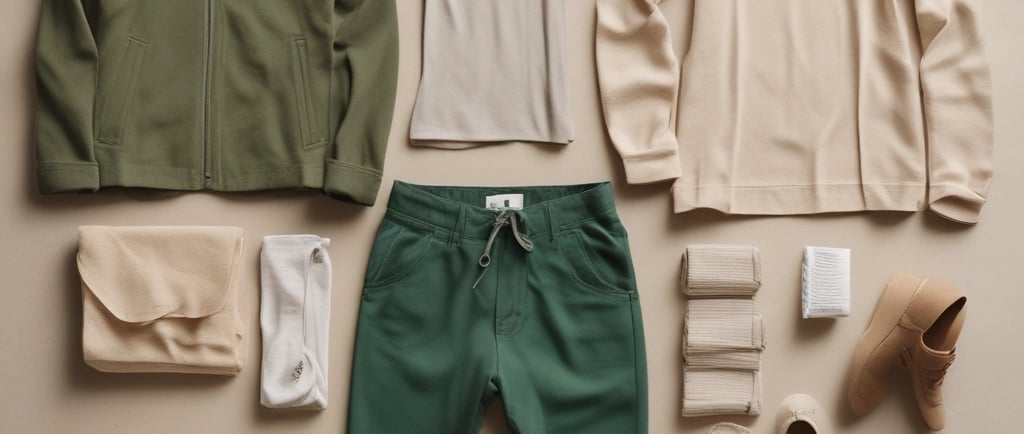
Sustainable fashion isn’t just a trend—it’s a lifestyle choice that combines style, comfort, and environmental responsibility. For 2026, building an eco-conscious wardrobe is easier than ever thanks to made-to-order production, sustainable fabrics, and versatile designs. Here’s your guide to the top 10 eco-friendly apparel essentials that help you look good, feel good, and reduce your environmental impact.
1. Organic Cotton T-Shirts
Why it matters: Conventional cotton uses massive amounts of water and pesticides. Organic cotton reduces chemical exposure and supports soil health.
Practical tip: Choose neutral colors and classic cuts—they mix and match effortlessly.
Scenario: A single organic cotton T-shirt can reduce water usage by over 2,700 liters compared to a conventional T-shirt, making your summer wardrobe both sustainable and stylish.
2. Recycled Polyester Jackets
Why it matters: Recycled polyester keeps plastic bottles and post-consumer waste out of landfills.
Practical tip: Look for jackets with durable zippers and lining to extend their lifespan.
Scenario: Swapping one conventional polyester jacket for a recycled one saves roughly 8 plastic bottles per garment.
3. Hemp Pants or Jeans
Why it matters: Hemp grows quickly with minimal water and no synthetic fertilizers, making it one of the most eco-friendly fabrics.
Practical tip: Hemp blends soften over time without losing durability, perfect for everyday wear.
4. Tencel / Lyocell Blouses
Why it matters: Tencel is made from sustainably sourced wood pulp and processed in a closed-loop system that recycles water and solvents.
Practical tip: Ideal for work or casual wear, these fabrics feel soft against the skin and naturally resist wrinkles.
5. Bamboo Underwear & Socks
Why it matters: Bamboo grows rapidly without pesticides and is biodegradable. It also wicks moisture naturally.
Scenario: Switching your daily socks and underwear to bamboo reduces your environmental footprint without sacrificing comfort.
6. Made-to-Order Sweaters
Why it matters: Made-to-order production prevents overstock and reduces waste across the supply chain.
Practical tip: Invest in versatile colors and classic styles that last multiple seasons.
Scenario: FutureFlow’s made-to-order approach ensures your sweater is produced only when ordered, cutting unnecessary inventory by up to 30%.
7. Ethical Denim Essentials
Why it matters: Denim production traditionally consumes a lot of water and energy. Ethical brands use low-impact dyes, organic cotton, and water-saving finishing techniques.
Practical tip: Dark wash jeans require fewer washes, saving water and maintaining longevity.
8. Eco-Friendly Activewear
Why it matters: Many activewear pieces are made from virgin synthetic fibers. Look for recycled or biodegradable fabrics.
Scenario: A set of recycled activewear can keep dozens of plastic bottles out of the landfill annually while supporting your fitness routine.
9. Sustainable Outerwear
Why it matters: Coats and jackets are long-term investments. Materials like recycled wool, plant-based insulation, or PFC-free water-resistant finishes reduce environmental harm.
Practical tip: Layering with lightweight pieces increases versatility and reduces the need for multiple coats.
10. Timeless Accessories
Why it matters: Hats, scarves, and bags made from organic or recycled materials extend your eco-conscious impact.
Scenario: A single recycled bag may keep 20–30 plastic bottles from landfills and become a staple accessory for years.
Putting it All Together
Creating a sustainable wardrobe isn’t about perfection—it’s about intentional choices. Focus on quality, versatility, and made-to-order products. Over time, these small decisions reduce waste, conserve resources, and promote ethical supply chains.
Actionable Tip: Start by replacing one category per month (T-shirts, jackets, or pants) with sustainable alternatives. By year-end, your wardrobe can be almost entirely eco-friendly.
Ready to Explore Eco-Friendly Products?
Ready to start building your sustainable wardrobe? Browse all of FutureFlow’s made-to-order products in our store and discover eco-friendly apparel and accessories that fit your lifestyle.
Related Sustainability Guides
Help
Questions? Reach out anytime, we're here.
Contact
Subscribe
hello@futureflowai.cloud
© 2026. All rights reserved.